What Makes a Great Experience with Basketball Club Teams in San Diego
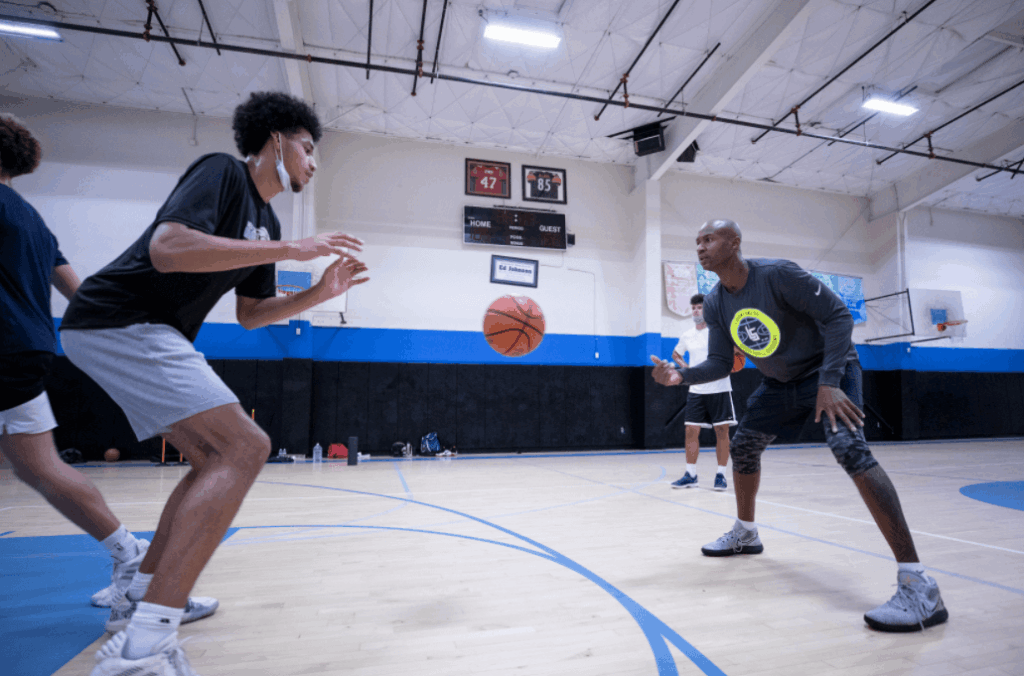
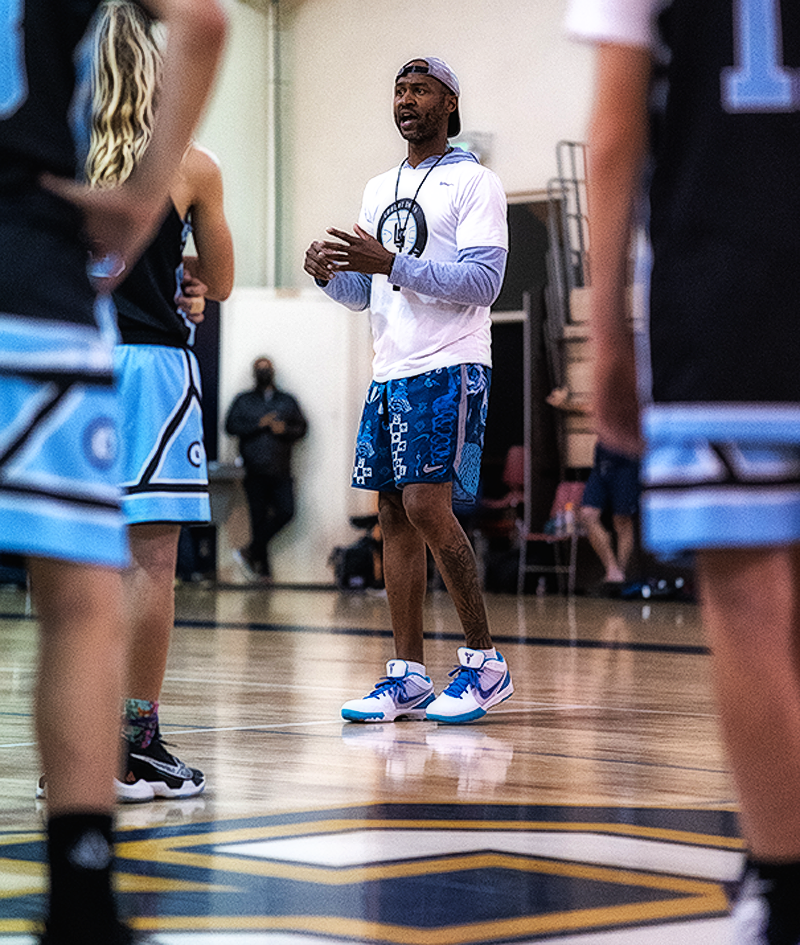
San Diego has no shortage of youth basketball options. On paper, that sounds like a gift for families. In practice, it can make the search harder. A polished logo, a packed tournament calendar, and social media highlights do not tell you much about what a player’s life will actually feel like inside a program. The difference between a rewarding season and a draining one usually comes down to details that are less visible, things like coaching habits, communication standards, gym culture, role clarity, and whether development is treated as a real priority or just a talking point.
That is especially true when families start looking at Basketball Club Teams San Diego parents often hear about through schools, trainers, rec leagues, and other families. The best programs do more than collect talented players. They create an environment where athletes improve steadily, compete honestly, and learn how to handle pressure, mistakes, and responsibility. They also respect the reality that youth sports affect the whole household, not just the player.
After years around club basketball settings, from weekend tournaments to weeknight practices in half-lit school gyms, one pattern stands out. Great experiences rarely happen by accident. They come from organizations that know what they value and show it consistently.
A strong team starts with a clear purpose
Some club teams exist mainly to win this weekend. Others are built around long-term player development. A few manage to do both. Families are often told a program does everything, but that is not realistic. Time, roster size, coaching staff, and budget all shape what a team can truly deliver.
A great club experience begins when a team is honest about its purpose. If a program is highly competitive, travels often, and expects players to fight for every minute, that can be excellent for the right athlete. If another program is geared toward skill growth, confidence building, and giving younger players room to develop through mistakes, that can be equally valuable. Trouble starts when a club promises one thing and delivers another.
The strongest organizations explain their philosophy in plain language. They can tell parents how they balance training and games, what standards they hold players to, and what kind of athlete tends to thrive in their system. That clarity matters because players develop best when expectations are stable. It is much easier for a young guard to improve decision-making, for example, when she knows whether her coach values pace, ball movement, defensive pressure, or strict half-court execution.
I have seen players leave stronger rosters for healthier environments and improve dramatically within months. Not because the second team had better talent, but because the fit was better. The player understood her role, trusted the coach, and trained with purpose instead of anxiety. For many families, that is the line between a club season that energizes a player and one that slowly burns them out.
Coaching quality shows up in the small moments
Parents often judge coaches by game results. Players usually judge them by something else entirely. They notice whether instruction makes sense, whether corrections are specific, and whether standards apply to everyone. A coach who can teach footwork, spacing, help defense, and shot selection in a way players actually absorb is far more valuable than one who simply talks louder from the sideline.
The best club coaches in San Diego do several things well at once. They run organized practices. They explain not just what went wrong, but why. They know when to push and when to pull back. They can work with the strongest player on the roster without neglecting the ninth player, who may need more patient reps and more careful confidence management.
This matters more than many families realize. In youth basketball, improvement often comes in unglamorous layers. It might be a forward learning how to open up on a closeout. It might be a point guard finally understanding timing on a ball screen. It might be a player cutting out the extra dribble that keeps stalling an offense. Those changes happen when coaches teach details repeatedly and consistently.
A good test is to watch practice, not just games. In practice, you can see whether players spend real time learning or just moving through drills. You can hear whether feedback is useful. You can tell if the gym is demanding in a healthy way or chaotic in a way that wastes everyone’s time.
One of the most revealing scenes in any club setting comes right after a mistake. A player throws a lazy pass, misses a rotation, or takes a bad shot. Does the coach correct the issue with precision, then move on? Or does the gym stop so someone can be embarrassed? Young athletes need accountability, but they also need psychological safety. The best coaches build both.
Development has to be visible, not advertised
Every club says it develops players. Not every club can point to how.
Real development is visible over months. A player becomes stronger with the ball. Defensive habits sharpen. Conditioning improves. Decision-making gets quicker. Free throw form stabilizes. Confidence stops swinging wildly after one bad quarter. The player may or may not score more, but their game becomes more reliable.
This is where many families misread the club landscape. Exposure, uniforms, tournament travel, and social media clips can look impressive, but they are not the same as development. If a player is touching the ball less, thinking more fearfully, and leaving each weekend unsure of what they are learning, something is off even if the team is winning.
The best Basketball Club Teams San Diego has to offer usually make development measurable in everyday ways. They may track attendance and effort. They may revisit core skills week after week rather than chasing novelty. They may teach age-appropriate concepts instead of installing systems that only work because one player dominates the ball.
A seventh grader does not need a miniature college playbook. She needs stronger footwork, better balance, cleaner passing angles, and more confidence finishing through contact. A high school wing with college aspirations may need the opposite kind of specificity, less broad instruction and more refinement in shot preparation, off-ball reads, and defensive versatility. Great programs understand that development is not one-size-fits-all.
The right competitive level changes everything
A common mistake in club basketball is assuming the highest-profile team is automatically the best choice. Sometimes it is. Sometimes it is not even close.
Playing above a child’s current level can teach resilience and reveal what needs work. It can also destroy confidence if the gap is too wide and the player never gets meaningful reps. Playing below a child’s level can create short-term success, but it may lead to stagnant habits and false feedback. The sweet spot is challenging competition that stretches a player without making every possession feel hopeless.
This is one area where honest evaluation matters. A great club experience usually includes coaches who can tell families, respectfully and clearly, where a player stands. That may be uncomfortable. It is still better than vague praise followed by sparse playing time all season.
San Diego’s basketball ecosystem is broad enough that players can often find a better fit if they look carefully. Some teams are ideal for late bloomers who need reps and patient coaching. Others are better for advanced players who need to be surrounded by high-level pace and physicality. Neither setting is inherently superior. What matters is whether the environment matches the player’s current needs.
I remember watching one undersized eighth-grade guard spend a season on a stacked roster where she barely played. Her confidence faded. The next year she joined a team where she handled the ball, made mistakes, and learned to lead. By spring, her decision-making and poise had improved more than they would have from another year of watching from the bench. She was not on the flashier team, but she was in the right developmental lane.
Playing time is not the only issue, but it is a real one
Few topics create more tension https://cristianhjnr203.brightsora.com/posts/how-basketball-club-teams-in-san-diego-promote-discipline-and-growth in club basketball than playing time. Coaches do not owe equal minutes in competitive settings. At the same time, families are right to ask what role a player is realistically being brought in to fill.
A great experience does not require identical minutes for everyone. It does require transparency. If a player is expected to be a developmental piece, a defensive specialist, a backup ball handler, or a practice player pushing the rotation, that should be communicated early. Problems grow when families hear “everyone will get opportunities” and then discover that only six players are seeing real game situations.
For younger age groups, especially before high school, there is a strong case for broader distribution of minutes and responsibility. Players need game reps to apply what they practice. They also need the chance to recover from mistakes during live competition. Bench development has limits. Once players get older and competition intensifies, roles naturally tighten. Even then, a well-run program finds meaningful ways to invest in players outside the top group.
That might include skill sessions, developmental feedback, targeted goals, and honest midseason conversations. The key is that every player feels seen. A family can accept a limited role much more easily when there is a believable plan behind it.
Culture is built by behavior, not slogans
Every club claims to value family, toughness, accountability, and teamwork. The words are easy. The daily behavior tells the truth.
A healthy team culture sounds different. Teammates talk on defense and encourage each other without constant prompting. Players arrive with a basic level of readiness. Coaches correct stars and reserves with the same standards. Parents understand how to support without turning the sideline into a running commentary booth.
Culture also shows itself in how a program handles stress. A tight semifinal game, a rough shooting day, a conflict over minutes, a player coming back from injury, these are the moments when team values become visible. A great club environment does not become perfect under pressure, but it stays coherent. Adults act like adults. Players know the rules. Emotions are managed, not denied.
The strongest cultures are usually not the loudest. They are steady. They make room for personality without letting the gym become unserious. They demand effort without treating mistakes like moral failures. For adolescents, that balance matters. Kids can handle being challenged. What they struggle with is unpredictability.
Communication can save a season
One of the most underrated traits in youth sports is clear communication. Families are juggling school, transportation, finances, and often multiple children’s schedules. Players are managing social pressure, fatigue, and the emotional volatility that comes with competition. In that environment, poor communication creates avoidable damage fast.
The best clubs communicate logistics early and cleanly. Practice times are sent with enough notice to plan around them. Tournament schedules are shared as accurately as possible. Fee structures are explained before families commit. If gym space changes or a weekend plan shifts, people hear about it quickly.
Just as important, strong coaches communicate basketball issues in a direct but respectful way. They do not let confusion linger around role, effort, attendance, or standards. They also know when to speak to the player first, especially as athletes mature. That is an important marker of a serious developmental environment. Younger players may need parents more involved. Older players should gradually learn to handle basketball conversations themselves.
A club does not need perfect communication to create a great experience. Youth sports are messy and facilities change. Tournament organizers run late. Weather interferes. What families want is not perfection, but professionalism.
The practical side matters more than people admit
A season can be undermined by boring logistics. Gym locations, travel time, practice hours, cost structure, and tournament rhythm all shape the family experience. These factors are not glamorous, but they matter.
San Diego traffic alone can turn a 90-minute practice into a three-hour evening once commuting is included. Two or three nights a week, that adds up. If a player is consistently rushed, underfed, and starting homework at 10 p.m., even a strong basketball setting can become unsustainable. The same goes for weekends packed with multiple games and little recovery. Some players thrive on heavy competition. Others hit a wall by midseason.
Before joining a team, families should have a grounded sense of the following:
- how many practices are typical in a week
- how far the home gyms usually are
- what tournament travel really looks like
- what the full cost is beyond headline fees
- how the club handles schedule changes and conflicts
That last point is often overlooked. Families occasionally have school events, illnesses, religious commitments, or unavoidable travel conflicts. Great programs are serious about attendance but also capable of adult conversation. Rigid policies with no room for context can wear people down quickly.
A good club helps players grow off the court too
Club basketball can teach more than offensive spacing and closeouts. At its best, it gives young athletes a controlled setting to practice habits they will need elsewhere, showing up on time, responding to criticism, managing nerves, and working within a group where not everything revolves around them.
This part of the experience is easy to miss because it unfolds gradually. A shy player starts speaking up in huddles. A talented scorer begins defending with pride. A player who used to sulk after turnovers learns to reset by the next possession. Those changes are not side benefits. They are central to what makes youth sports worthwhile.
The clubs that support this growth usually set standards that go beyond game performance. They expect body language to matter. They expect players to listen when teammates speak. They expect athletes to own mistakes instead of explaining them away. When handled well, these expectations build maturity without making the gym feel joyless.
I have also seen the opposite. Programs that preach character but tolerate selfish play from top performers usually pay for it later. The team may win enough to mask the issue for a while, but eventually trust erodes. Players stop buying in. Families start second-guessing everything. A great experience needs basketball competence, but it also needs integrity.
Parents shape the environment more than they think
No honest discussion of club basketball is complete without acknowledging the role of parents. Even excellent teams can become emotionally draining if parent behavior around the program becomes tense, political, or invasive.
The healthiest club environments tend to have a clear parent culture. Support is welcome. Sideline coaching is not. Questions can be raised, but through the proper channels and at appropriate times. Comparisons between children are discouraged. Car rides home do not become postgame interrogations.
Players notice all of this. They hear tone, even when adults think they are being discreet. If every missed shot turns into a family discussion and every substitution becomes evidence of injustice, the athlete loses the space they need to process the game productively.
For parents evaluating Basketball Club Teams San Diego families often focus on roster talent and tournament schedule. It is also worth paying attention to the adults in the bleachers. Are they respectful? Are they constantly complaining? Do they understand the difference between support and interference? That atmosphere becomes part of the player’s experience, whether anyone intends it or not.
What players remember years later
Ask former club players what stayed with them, and the answers are rarely just about wins. They remember the coach who believed in them before they fully believed in themselves. They remember a demanding practice that finally made a skill click. They remember friendships built in carpools, on tournament mornings, and in postgame meals after long Saturdays.
They also remember the negative things clearly, public humiliation, empty promises, chaotic leadership, and the feeling that they were paying a great deal to stand still. That is why choosing a club deserves more care than many families initially give it.
The best experience is not always the team with the most trophies, the biggest social media presence, or the loudest claims about exposure. It is the program where the player is challenged, taught, respected, and placed in an environment that matches both their current ability and their long-term goals.
Signs you are looking at the right fit
When families are trying to sort through options, it helps to focus on patterns rather than sales language. A strong fit usually becomes clearer when several good signs appear together.
- coaches teach in specific, understandable ways
- players improve in visible, practical areas over time
- communication is timely, clear, and professional
- the competitive level stretches the athlete without burying them
- the overall environment feels demanding, stable, and respectful
Those are not glamorous standards, but they are dependable ones. They tend to predict whether a player will leave a season stronger than they entered it.
The San Diego factor
San Diego brings some unique advantages to club basketball. There is deep interest in youth sports, access to year-round play, and a broad mix of athletes from different school systems and communities. That creates opportunity. It also creates noise. Families can feel pressure to chase status, switch teams too often, or assume that more travel and more games must mean better development.
Usually, the strongest choice is more grounded than that. It is the club with a coach who teaches, a roster that makes sense, a culture that feels healthy, and a schedule the family can sustain. It is the place where a player is not just participating in basketball, but actually learning how to play it better and how to carry themselves while doing it.
That is what makes a great experience with club basketball in San Diego. Not hype. Not promises. Not just results. Real growth, honest competition, and an environment that helps young athletes leave the season stronger in skill, confidence, and character.
Lamont Smith Basketball Academy
888 Clairemont Mesa Blvd Suite T-2, San Diego, CA 92123
(619) 639-8778
FAQ About Basketball Club Teams San Diego
How can a player join an LSBA club team?
Players are evaluated during practices so the coaching staff can recommend an appropriate team and development level. Families should contact the academy to confirm current openings and evaluation details.
Are club teams available for newer basketball players?
Yes. LSBA describes multiple levels, including a developmental option for newer players as well as more competitive teams for athletes with prior club experience.
What do LSBA club team practices emphasize?
Practices emphasize basketball fundamentals, team defense, structure, communication, and player development. The specific focus may vary according to the team and experience level.
Do all LSBA teams travel?
Travel expectations vary by level. Some teams focus on local competition, while advanced teams may participate in tournaments elsewhere in Southern California or beyond. Families should confirm the current schedule before enrolling.