How Basketball Club Teams San Diego Prepare Athletes for College
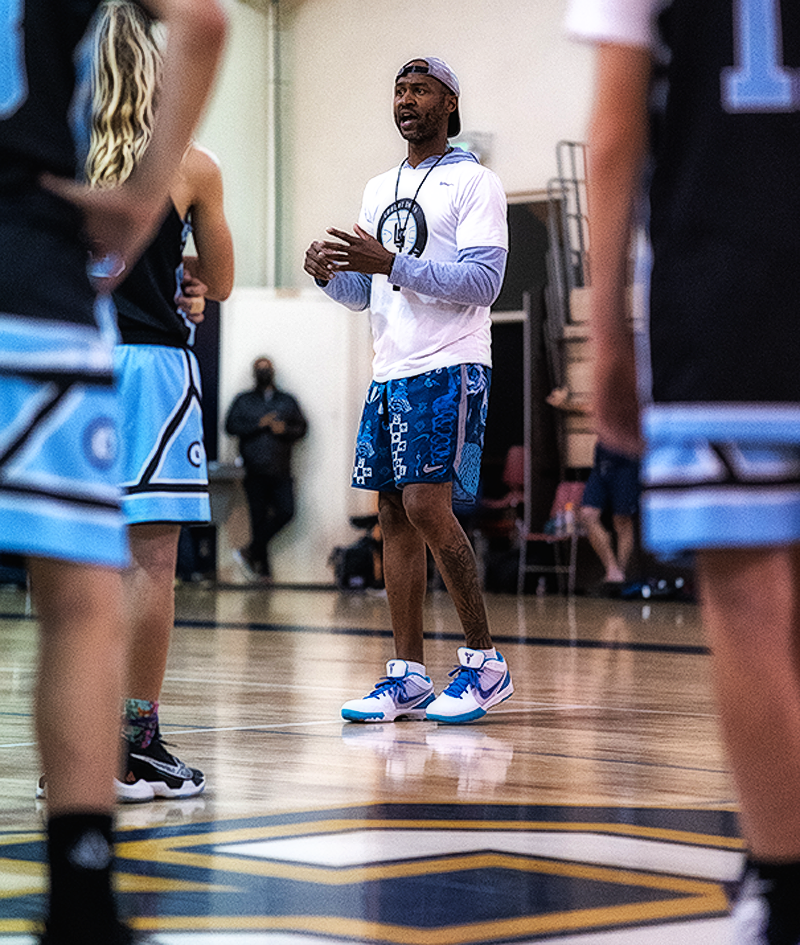
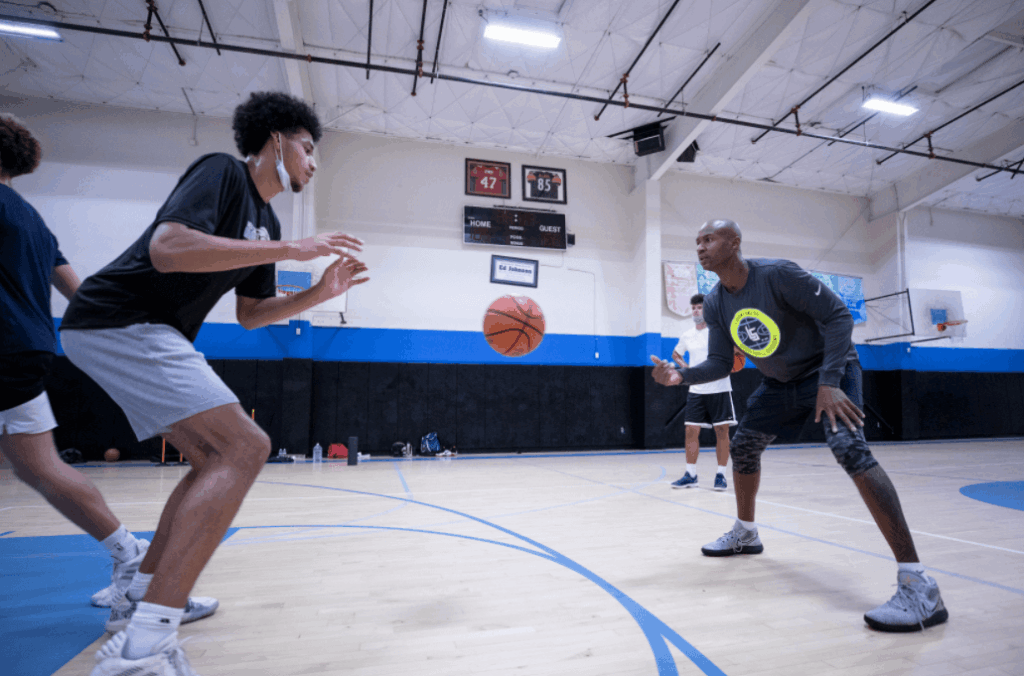
For families trying to understand the path from high school basketball to college basketball, the gap can feel wider than it first appears. Talent matters, of course. So do height, speed, strength, and skill. But college readiness is built from more than a good crossover and a decent jump shot. It comes from habits, exposure, consistency, emotional control, and the ability to perform when the gym is loud, the legs are tired, and every possession matters.
That is where strong club programs make a real difference. The best Basketball Club Teams San Diego do not simply gather talented players for weekend tournaments. They build an environment that prepares athletes for the pace, structure, and accountability they will face if they move on to the college game. Some programs do that better than others, and the differences show up quickly once recruiting starts.
San Diego is an interesting basketball market because it sits at the intersection of several competitive influences. Local players often face high expectations while also competing for attention against athletes from Los Angeles, Orange County, the Inland Empire, Arizona, and beyond. A club team that understands this landscape can help athletes bridge the gap between local success and broader college visibility. That bridge is not built overnight. It is built in training sessions, travel weekends, film review, recovery routines, and hundreds of possessions that most people never see.
College basketball asks for more than high school success
A player can dominate stretches of high school basketball and still be unprepared for the college level. That is not a knock on high school coaches or school programs. It is simply a reflection of how different the demands are.
College basketball is faster, more physical, and far less forgiving. Coaches expect players to pick up concepts quickly, execute under pressure, and accept roles that may be narrower than what they held in high school. A teenager who was used to taking twenty shots a night may need to become a defensive specialist, a reliable screener, or a second-unit ball mover at the next level. That transition can be difficult if the player has only been praised for scoring.
Good club teams start preparing athletes for that reality early. They teach players how to contribute even when the ball is not in their hands. They stress help defense, transition habits, spacing, communication, and decision-making in traffic. Those details might not fill a highlight reel, but college coaches notice them almost immediately.
I have seen this play out with players who looked very different once they entered a serious club environment. One guard, a gifted scorer in his school league, struggled during his first spring on the club circuit because every opponent could switch, pressure, and recover. His first instinct was to force difficult shots. By midsummer, after weeks of film work and structured reps, he started reading the second defender, making the simple pass, and defending with purpose. He did not suddenly become less talented. He became more complete, and college coaches responded.
The training environment changes the player
The strongest Basketball Club Teams San Diego create a training environment that feels closer to college than casual youth basketball. That shows up in tempo, language, expectations, and repetition.
Practices tend to be sharper and more demanding than what many young athletes have experienced before. Drills are shorter, more competitive, and often layered with decision-making. Instead of running isolated skill work for long stretches, coaches put players in scenarios that force them to read defenders, react quickly, and execute under fatigue. A simple catch-and-shoot drill may become a relocation series, then a live closeout read, then a transition sequence where the player must sprint back and defend.
This matters because college coaches recruit athletes who can transfer skills to live situations. A player who looks polished in an empty gym but freezes in traffic has work to do. Club settings expose that quickly.
The best coaches also resist the temptation to make every player look the same. They sharpen individual strengths while still teaching team concepts. A long wing may need reps defending multiple positions and attacking downhill off one or two dribbles. A smaller point guard may need to improve pace control, communication, and pick-and-roll reads. A post player may need to become more mobile, more vocal, and more comfortable passing out of double teams.
When training is done well, athletes begin to understand that college preparation is not about adding random skills. It is about building a game that holds up under pressure.
Competition reveals what practice hides
There is a reason serious families commit time and money to travel basketball, even when the schedule can be exhausting. The competition matters. Weekend events compress pressure into a small window, and that intensity reveals a great deal about a player.
In one tournament setting, an athlete might play four games in two days against teams with different styles, sizes, and defensive schemes. There is little time to reset mentally. Shots do not always fall. Calls go against you. A player who can stay steady, defend, communicate, and compete through all of that gives coaches a reason to trust them.
This is one of the clearest ways club basketball prepares athletes for college. The game stops being about isolated moments of confidence and becomes about sustained performance. Players learn how to manage foul trouble, short benches, game-to-game adjustments, and opponent scouting. They also learn how quickly effort shows up on film.
San Diego athletes often benefit from seeing competition outside their immediate local circle. A player who dominates a familiar league may discover on the club circuit that their handle needs tightening, their lateral quickness needs work, or their conditioning drops in the second half. That feedback can sting, but it is valuable. Better to learn those lessons at sixteen than after arriving on a college campus.
Exposure is useful, but only if the player is ready for it
Parents sometimes hear the word exposure and assume it is the central value of club basketball. It is important, but it is often misunderstood. Exposure is not just being present in a gym where college coaches might walk by. It is being prepared to make a strong impression when they do.
A college coach watching multiple courts at once is rarely hunting for flashy moments alone. They are evaluating body language, effort after mistakes, attentiveness in dead-ball situations, interactions with teammates, and whether the player understands how to impact winning. A spectacular dunk can draw eyes. A player who sprints back, tags the roller, rotates on time, and communicates all weekend earns trust.
That is why the best Basketball Club Teams San Diego do not treat exposure as a magic trick. They treat it as the outcome of preparation. They know that sending an unprepared athlete into recruiting events can do more harm than good. Coaches remember players who compete poorly just as clearly as they remember players who stand out.
Some programs are also honest about fit. Not every athlete is headed to a high-major conference, and pretending otherwise wastes time. Smart club coaches help families understand the broad landscape, from junior college and NAIA options to Division III, Division II, and Division I opportunities. That clarity can reduce stress and lead to better long-term decisions.
Film study teaches players how to think
One of https://blogfreely.net/urutiuqjxl/why-more-players-are-joining-basketball-club-teams-in-san-diego the biggest differences between casual basketball development and serious college preparation is the use of film. Players improve faster when they can see what coaches mean.
Film does not need to be overcomplicated to be effective. In fact, short and focused review sessions often produce the best results. A coach may clip a few defensive possessions to show poor gap help, a couple of transition chances that were missed because of bad spacing, and one or two examples of strong execution to reinforce good habits. That process sharpens basketball IQ in ways pure repetition cannot.
Athletes also begin to understand how they are evaluated. They see whether they jogged back after a turnover, whether they stared at the referee instead of recovering, whether they missed a weak-side rotation, or whether they had an open teammate one pass away. These are not glamorous lessons, but they are central to college basketball.
Players who embrace film often mature faster than those who avoid it. They become less defensive and more analytical. Instead of saying, "I played fine," they start asking better questions. Was I early enough on the hedge? Did I reject that screen too often? Why did that defender beat me to the spot? That shift matters because college coaches want athletes who can absorb coaching without shutting down.
Strength, durability, and recovery become part of the conversation
One area where club basketball can help, when handled responsibly, is physical preparation. College seasons are demanding, and athletes who have never built a consistent approach to strength, mobility, and recovery often struggle with the jump.
That does not mean every teenager needs a college-style lifting program or year-round wear and tear. Quite the opposite. The best clubs understand balance. They encourage strength work, movement quality, hydration, nutrition, and sleep, while also recognizing the risks of overuse. The conversation is not just about getting stronger. It is about staying available.
A common issue for young players is mistaking constant activity for productive development. Playing game after game without recovering well can flatten progress. Knees start to ache. Shooting legs disappear by Sunday afternoon. Small injuries linger because no one wants to sit out a showcase event. Experienced club coaches and trainers know this pattern well. They push athletes to work hard, but they also teach them that college preparation includes taking care of the body.
In practical terms, that may mean reducing unnecessary extra games, prioritizing movement quality, or teaching an athlete how to warm up properly before a tournament day. Those habits sound small until a player reaches college and realizes that daily availability is one of the fastest ways to earn trust.
Communication skills matter more than most families expect
Basketball development is often framed in terms of points, rebounds, assists, and recruiting rankings. Yet many college coaches will tell you that communication and maturity separate players faster than parents realize.
Club teams expose athletes to this quickly. Players travel together, share pressure, compete for minutes, and represent a program beyond their school identity. That setting requires them to communicate with coaches, teammates, and sometimes college staff in a more mature way. They learn to accept feedback without sulking, handle role changes, and support teammates even on nights when they are frustrated.
This is especially important during recruiting. A player may eventually need to write emails, respond promptly, speak respectfully to coaches, and carry themselves well during visits or conversations. Club programs that guide athletes through those moments provide a real advantage.
Here are a few traits college staffs consistently value, even when they are not the loudest part of the conversation:
- Coachability under stress
- Consistent effort on possessions without the ball
- Clear communication on defense and in huddles
- Emotional control after mistakes or bad calls
- Punctuality and reliability in team settings
None of those qualities can fully replace talent, but they often determine which similarly talented player gets trusted first.
The right role can help recruiting more than inflated statistics
A mistake some programs make is chasing short-term numbers at the expense of long-term development. If a player scores a lot in a system built entirely around them, the stat line may look impressive, but college coaches still want to know whether the player can function in a balanced team setting.
The strongest clubs understand role clarity. They do not hand every athlete the same freedom. They assign responsibilities that reflect both present strengths and future projection. That approach can be frustrating at times, particularly for players used to being the focal point, but it often serves them better in the recruiting process.
For example, a six-foot-four wing who wants to play in college may benefit more from learning to defend multiple positions, rebound outside their area, and make quick reads than from taking thirty contested shots in a weekend. A point guard may help themselves more by organizing the offense, limiting turnovers, and containing the ball defensively than by hunting their own scoring.
This is where experienced evaluation matters. The best Basketball Club Teams San Diego know how a player is likely to be viewed at the next level, and they shape development accordingly. That does not mean shrinking ambition. It means matching ambition with reality and helping athletes build a game college coaches can project.
Families should look closely at culture, not just branding
Not every club with a polished social media presence or a packed tournament schedule is truly preparing athletes for college. Families should look beyond branding and ask how the program operates day to day.
Culture reveals itself in ordinary details. Does practice start on time? Are coaches teaching or mostly reacting? Do players sit through film and engage with it? Is there accountability for defense, body language, and effort, or only for missed shots? Are athletes improving over time, or just collecting tournament photos?
A healthy club culture also manages the parent side of the experience well. That may not sound like college preparation, but it is. Players struggle when adults around them create noise about minutes, touches, or unrealistic scholarship expectations. Programs that communicate clearly with families, define roles honestly, and keep the focus on development tend to serve athletes best.
If a family is evaluating options, a few practical questions can help:
- How does the program balance exposure with actual player development?
- What level of competition does the team regularly face?
- How are athletes taught to handle recruiting communication?
- What support exists around film, strength, and recovery?
- How does the coaching staff define success beyond scoring?
The answers will usually tell you whether the club is building college habits or simply selling the idea of them.
Different college paths require different preparation
One of the most helpful things a serious club team can do is remove the one-size-fits-all view of recruiting. The path for a future Division I guard is not identical to the path for a late-blooming forward targeting Division II or Division III programs. A junior college route may be exactly right for one athlete and completely unnecessary for another.
Preparation should reflect those differences. Some players need greater national exposure. Others need stronger academics, better film, more physical development, or simply more time. Club coaches with experience tend to recognize when patience is wiser than hype.
San Diego has produced athletes across this full spectrum. Some were obvious prospects early. Others grew into their bodies late, or found better fit outside the spotlight. The common thread is that the successful ones usually landed in environments where development was honest and consistent. They were not told only what they wanted to hear. They were challenged, refined, and prepared for the level that matched their current and projected ability.
What players carry with them when club basketball is done right
When club basketball works as it should, athletes leave with more than improved skill packages. They learn how to prepare for competition, how to absorb coaching, how to respond when things go poorly, and how to contribute in ways that are not always visible in a box score.
They also gain a more realistic picture of what college basketball actually demands. It is not just a reward for being talented in high school. It is an everyday standard. Players are expected to compete, learn, recover, communicate, and stay ready. That standard can feel intimidating, but athletes who have been shaped by disciplined club environments usually arrive far less surprised.
The phrase Basketball Club Teams San Diego can mean many different things depending on the program. At the surface level, it might suggest tournaments, uniforms, travel, and recruiting talk. At the deeper level, it should mean preparation. Real preparation is sometimes uncomfortable. It exposes weaknesses, corrects habits, and asks teenagers to grow up a little faster in their approach to the game.
That is precisely why it matters. The clubs that prepare athletes best are not simply helping them get seen. They are helping them become the kind of players college coaches can trust once they are seen. And in the long run, trust is what earns minutes, keeps opportunities alive, and gives talented athletes a genuine chance to succeed at the next level.
Lamont Smith Basketball Academy
888 Clairemont Mesa Blvd Suite T-2, San Diego, CA 92123
(619) 639-8778
FAQ About Basketball Club Teams San Diego
How can a player join an LSBA club team?
Players are evaluated during practices so the coaching staff can recommend an appropriate team and development level. Families should contact the academy to confirm current openings and evaluation details.
Are club teams available for newer basketball players?
Yes. LSBA describes multiple levels, including a developmental option for newer players as well as more competitive teams for athletes with prior club experience.
What do LSBA club team practices emphasize?
Practices emphasize basketball fundamentals, team defense, structure, communication, and player development. The specific focus may vary according to the team and experience level.
Do all LSBA teams travel?
Travel expectations vary by level. Some teams focus on local competition, while advanced teams may participate in tournaments elsewhere in Southern California or beyond. Families should confirm the current schedule before enrolling.