How Basketball Club Teams San Diego Create College Opportunities
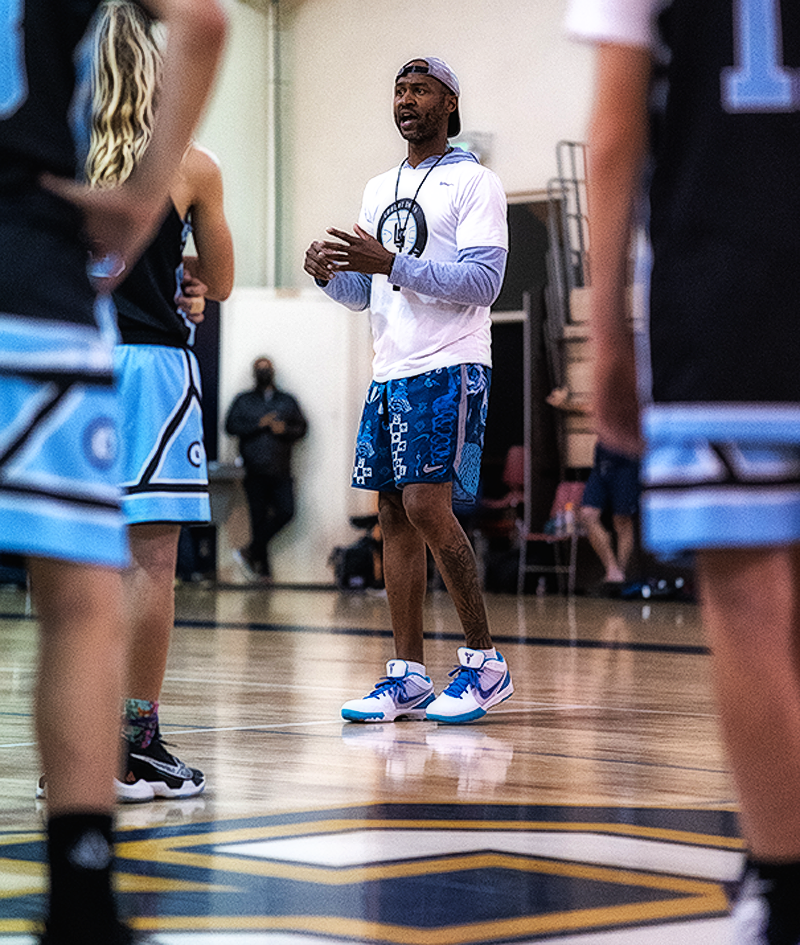
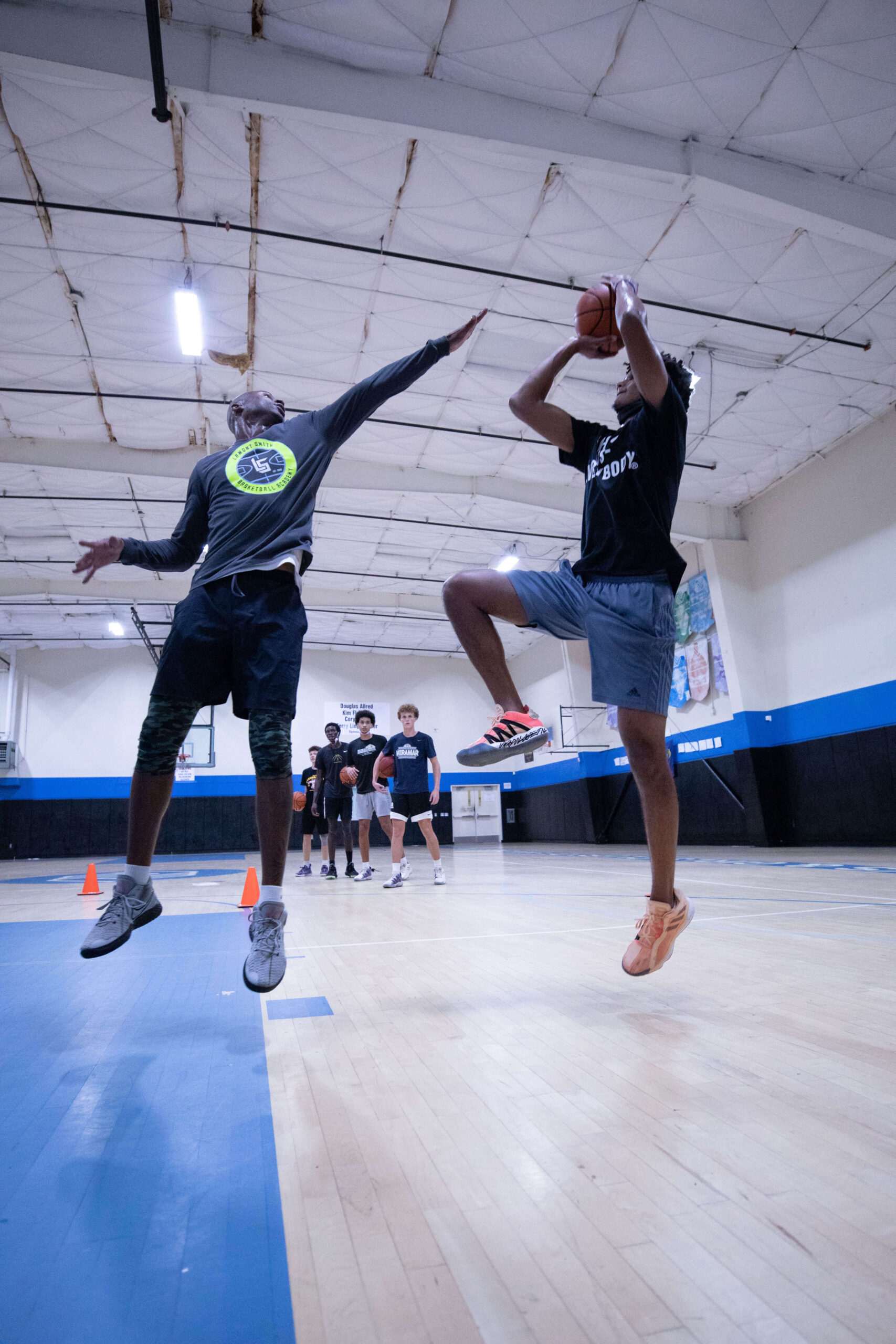
For families who have spent years in gyms, school parking lots, and weekend tournament venues, the connection between youth basketball and college opportunity is not abstract. It is practical, visible, and often earned one possession at a time. A strong club program can sharpen a player’s game, but the better ones do much more than that. They teach athletes how to perform under pressure, how to communicate with coaches, how to recover from poor outings, and how to present themselves as college prospects who can help a roster.
That is why the conversation around Basketball Club Teams San Diego has become so important for serious players. San Diego sits in an interesting recruiting lane. It is not an overlooked market, but it is also not treated exactly like Los Angeles, Phoenix, or Dallas, where traffic from college coaches can feel constant. Players in San Diego often need a cleaner plan. They need smart tournament selection, realistic feedback, disciplined academic habits, and exposure that matches their level. Families who understand that early tend to navigate the process more effectively.
The college path through basketball is not reserved only for high-major prospects. That misconception causes a lot of frustration. Most athletes are not heading to a Power Four program, and that is perfectly fine. There are meaningful opportunities across NCAA Division I, Division II, Division III, NAIA, junior college, and prep routes. Club teams, when run well, help players find the right fit rather than chasing the loudest name on social media.
Exposure matters, but timing matters more
A common mistake families make is treating exposure as if it is a single event. It is not. College recruiting usually works as a sequence. First a player appears on a coach’s radar. Then the coach sees enough to stay interested. Then the athlete’s transcripts, consistency, body language, and long-term projection start to matter as much as the highlights.
The best Basketball Club Teams San Diego understand that sequence. They do not simply promise “exposure” and leave the rest vague. They build schedules around periods when coaches are watching, and they place players in events where their level makes sense. A mid-major caliber guard gains very little from disappearing on the bench at a massive national event loaded with top-50 prospects. That same guard may attract real attention at a carefully chosen tournament where the competition is strong, the minutes are meaningful, and the coaches in attendance actually recruit that tier of player.
I have seen players get more traction from two efficient weekends than from an entire summer of random travel. One point guard, not especially flashy but tough, organized, and a reliable shooter off the catch, picked up sustained Division II and low Division I interest after a tournament where she played three steady games in front of the right coaches. No viral clips. No gaudy 30-point outburst. Just good decision-making, strong defensive effort, and coaches who had enough time and context to evaluate her properly. That is how recruiting often works in real life.
Timing also changes with age. Middle school players can benefit from club basketball, but the college recruiting piece should not dominate those years. Development matters more. By freshman and sophomore year of high school, habits and fundamentals still come first, but role clarity and competitive level begin to shape future opportunity. Junior year is often where the process becomes more urgent. For many players, that is when coaches want to see whether skill, size, toughness, and maturity are translating into actual winning basketball.
Development is the real engine
Families often ask whether a club team can “get” a player a scholarship. That wording misses the point. A team cannot manufacture college-level ability. It can, however, accelerate development, put the athlete in front of the right people, and help avoid mistakes that bury good players.
San Diego has plenty of talented athletes, but talent alone rarely survives the jump to college recruiting. Coaches are evaluating skill and projection. Can the guard handle pressure? Can the wing defend multiple positions? Can the post player run the floor every possession, finish through contact, and screen with purpose? Club basketball creates repeated live reps against quality opponents, and those reps reveal who is improving and who is coasting on reputation.
There is also a huge difference between private training and actual game development. A player might look excellent in a workout, making one-dribble pull-ups and clean crossovers in an empty gym. But college coaches watch for game translation. Can she make the right read when a help defender rotates early? Can he stay engaged after missing two open shots? Can the player contribute without dominating the ball? A reputable club environment answers those questions because it exposes habits in competitive settings.
This is where coaching quality becomes decisive. The strongest club coaches in San Diego are not just rolling out talent and hoping for wins. They teach spacing, accountability, and role acceptance. They challenge players who pad stats but hurt flow. They encourage the late-blooming athlete who is still growing into a college body. And they tell families the truth, even when the truth is uncomfortable.
Sometimes that truth involves level. A parent may picture Division I while the coach sees a very good Division III prospect with a chance to thrive academically and athletically. Honest evaluation saves time and often leads to better outcomes. Players do not benefit from chasing schools that are not realistic. They benefit from getting sharper, stronger, and more recruitable for programs that genuinely need what they offer.
The San Diego advantage, and the hidden challenge
San Diego offers excellent weather, a year-round sports culture, and access to competitive events across Southern California. For club basketball, those are real advantages. Players can train consistently. Teams can travel to major recruiting circuits without crossing the country. And because the region is connected to broader California basketball networks, strong performances can carry beyond county lines.
But there is a challenge built into that geography. San Diego players often compete for attention with athletes from larger, louder recruiting markets. A college coach on a West Coast trip may plan stops in multiple cities, and unless a player stands out clearly or the club program has established recruiting relationships, it is easy to get overlooked. That is one reason the structure of a club program matters so much.
Programs with a strong reputation tend to help in several ways. They communicate with colleges professionally. They understand which events fit which athletes. They produce film that actually helps evaluation rather than flashy edits that hide weaknesses. They also know that a college coach remembers more than box scores. Punctuality, bench behavior, coachability, and response to adversity all travel through the recruiting pipeline.
One San Diego parent described it well after their daughter committed to a small college program in the West. They said the breakthrough was not one huge tournament. It was a year of steady visibility. Coaches saw her at multiple events, heard consistent feedback from club coaches, checked her academics, and came away trusting who she was. Trust is often the deciding factor for coaches operating with limited scholarships and limited roster spots.
College coaches recruit more than points per game
Families new to the process can get too attached to scoring averages. Points matter, especially if a player can create efficient offense against quality competition, but coaches recruit functions. They recruit skill packages that solve problems on a roster.
A six-foot wing who defends, rebounds, and hits open threes may be far more recruitable than a volume scorer with shaky decision-making. A point guard who organizes teammates, protects the ball, and guards full court can generate more sustained interest than a guard who racks up points against weak competition but struggles under pressure. A forward who sets hard screens, runs the floor, and switches defensively may open doors despite limited self-created offense.
Club basketball gives players a chance to prove those winning traits. It also teaches them that college basketball is role-based. Very few recruits are promised total freedom. Coaches want to know where a player fits, and whether that player can embrace a job that helps the team. The athlete who learns to impact games without needing constant touches usually ages well in the recruiting process.
The smartest Basketball Club Teams San Diego make that clear early. They teach players to speak the language of value. Instead of saying, “I average 18,” a player learns to explain, “I defend the opposing lead guard, I shoot the three at a high clip, and I can play on or off the ball.” That shift sounds small, but it reflects maturity. It tells a coach the athlete understands basketball beyond personal stats.
Academics are not separate from recruiting
This part gets neglected until it becomes urgent. College coaches care about transcripts. Admissions offices certainly do. Even when a program likes a player, weak grades can limit options, delay communication, or remove opportunities entirely.
The best club programs in San Diego treat school performance as part of the athlete’s profile, not an afterthought. They remind families that academic eligibility is not only about clearing minimum standards. Stronger grades widen the recruiting map. They open doors to selective Division III colleges, help with academic aid, and make a player easier to support in admissions conversations.
A practical version of this shows up every year. Two athletes might have similar talent levels, similar height, and similar tournament production. The one with stronger grades and a stable academic record usually has more choices. Coaches feel less risk. They can project the player surviving the demands of college. That matters, especially at the small-college level, where staffs have limited room for error.
There is another side to academics that families sometimes underestimate. Good school habits often correlate with recruitable habits. Players who manage deadlines, communicate responsibly, and handle feedback in class tend to present well in the college process. They answer emails. They show up on time for unofficial visits. They ask better questions. Coaches notice all of it.
What families should evaluate in a club program
Not every team that travels is truly helping players get recruited. Some are excellent for local competition and development but have little college network or recruiting structure. Others advertise exposure heavily yet provide very little honest guidance. Families need to evaluate club programs with care.
A useful starting point includes these questions:
- What level of college basketball have recent players actually reached, and does that match your athlete’s current projection?
- Which events does the team attend, and why are those events the right fit?
- How does the coaching staff communicate with college programs, if at all?
- What kind of role does your player need to earn, rather than simply being promised?
- How seriously does the program treat academics, film, and player development outside tournaments?
Those questions tend to cut through marketing quickly. A serious program will answer directly. It may not promise scholarships, because that would be irresponsible, but it will explain its process. It will discuss fit. It will talk openly about development gaps. It will also have a track record that can be described concretely, even if that track record is more modest than families first hoped.
One warning sign is a program that tells every player the same story. The recruiting path is not uniform. The 6'4" post with soft hands, the undersized scoring guard, and the late-developing defender all need different plans. Good coaches personalize. They understand that a player might need local events, regional showcases, individual skill work, strength training, or a junior college bridge year. Cookie-cutter advice usually means the evaluation is superficial.
The role of relationships and credibility
Club basketball can open doors because recruiting remains a relationship business. That does not mean back-room favors or guaranteed placements. It means college coaches listen more carefully when information comes from people they trust. A club coach with a reputation for accurate evaluations can help a college coach save time. If that coach says a player is tough, coachable, improving, and academically reliable, the recommendation carries weight.
Credibility is earned slowly. It comes from years of sending players who actually fit. When a club exaggerates every prospect, college coaches tune it out. When a club is measured and honest, coaches come back. This is one of the less visible ways Basketball Club Teams San Diego create opportunity. The right conversation at the right moment, backed by real trust, can get a player watched closely instead of casually.
Players still have to perform. Relationships cannot hide weaknesses for long. But they can create the first look, the second look, or the phone call that starts a recruiting relationship. That matters more than many families realize.
Social media and film can help, but they cannot replace substance
Highlight culture has changed how players market themselves. Some of that is useful. Short clips can introduce a prospect quickly. Clean game film can save a coach hours. A professional online presence can help an athlete look organized and https://penzu.com/p/8d4db49376f506d5 serious.
Still, social media creates distortion. A great mixtape can make an average game look elite. Coaches know this. They prefer full possessions, multiple games, and context. They want to see how a player moves without the ball, reacts after mistakes, and competes when tired.
Strong club teams help athletes use film correctly. They encourage full-game clips, not just highlight edits. They help players identify the possessions that display role fit, defensive effort, and decision-making. They also remind athletes that online visibility is only helpful if live performance confirms it.
This is especially true in a region like San Diego, where players may need every piece of the recruiting package to work together. Good film gets a coach interested. Strong event play confirms the skill. Honest communication from the club staff builds trust. Solid academics keep doors open. Without that full picture, online promotion alone rarely carries a player very far.
The paths are different for boys and girls, and different by level
It is also important to acknowledge that recruiting is not one market. The boys’ and girls’ landscapes differ, and the available opportunities change by size, position, and year-to-year roster needs. A strong girls’ shooter in San Diego may attract steady college attention if she can defend and process the game well. A boys’ guard of similar profile may face a more crowded lane because there are so many available guards nationally. That does not mean one path is easier. It means the market is different.
Level matters too. Some athletes need to think broadly about divisions and institutional fit. Junior colleges remain valuable for players who need academic repair, physical development, or a larger platform. NAIA programs can offer excellent basketball and strong scholarship packages depending on the school. Division III, while it does not award athletic scholarships, can still become financially competitive through academic aid and institutional support. Families who only chase Division I labels often miss strong outcomes sitting directly in front of them.
Experienced club coaches usually understand those nuances. They know when patience is wise and when urgency is necessary. They know that a player with one high-major trait but several mid-major realities needs a careful plan. They know that some athletes are built for immediate recruiting attention, while others need eighteen more months of strength, confidence, and film.
What players can do to make the most of the opportunity
Club teams can create access, but players still have to turn access into traction. The athletes who move the process forward usually share a few habits.
First, they become easy to coach. That does not mean passive. It means responsive, disciplined, and consistent. Second, they invest in details that separate them from lookalike prospects, such as defending harder, communicating louder, screening better, and making faster reads. Third, they maintain an honest sense of level. That honesty does not reduce ambition. It sharpens it.
The players who earn college opportunities are often not the ones chasing attention every weekend. They are the ones stacking useful months. They improve physically. They add one reliable skill at a time. They build reputations as competitors. They understand that every possession in club basketball says something to teammates, coaches, and recruiters.
San Diego has enough talent, enough events, and enough basketball infrastructure to help serious athletes find college homes. But the process rewards clarity. Families need to know what they are buying into. Coaches need to know what they are developing. Players need to know what they truly offer.
That is how Basketball Club Teams San Diego create college opportunities. Not through slogans, and not through fantasy. Through development, fit, visibility, honesty, and the slow accumulation of trust. When those pieces line up, the results are often better than families first imagined, because the opportunity is not just to keep playing. It is to find the right place to grow.
Lamont Smith Basketball Academy
888 Clairemont Mesa Blvd Suite T-2, San Diego, CA 92123
(619) 639-8778
FAQ About Basketball Club Teams San Diego
How can a player join an LSBA club team?
Players are evaluated during practices so the coaching staff can recommend an appropriate team and development level. Families should contact the academy to confirm current openings and evaluation details.
Are club teams available for newer basketball players?
Yes. LSBA describes multiple levels, including a developmental option for newer players as well as more competitive teams for athletes with prior club experience.
What do LSBA club team practices emphasize?
Practices emphasize basketball fundamentals, team defense, structure, communication, and player development. The specific focus may vary according to the team and experience level.
Do all LSBA teams travel?
Travel expectations vary by level. Some teams focus on local competition, while advanced teams may participate in tournaments elsewhere in Southern California or beyond. Families should confirm the current schedule before enrolling.